
What our brains allow the world to be
Welcome to my Roman Empire: perception. Yay!
I was listening to The Doors the other day, and it reminded me how utterly obsessed I was with them in my early teens. Not just the music (or Jim, ngl), but everything around it. Interviews, documentaries, autobiographies, books, and all the rabbit holes. Somewhere along the way, I read The Doors of Perception by Aldous Huxley, and how the band took their name from it, which in turn was inspired by the line from William Blake:
“If the doors of perception were cleansed, everything would appear to man as it is, infinite.”
Blake used that line as a metaphor for how limited our perception of reality actually is. How much of the world we move through without really seeing it. That idea stuck with me back then, and honestly, never really left.
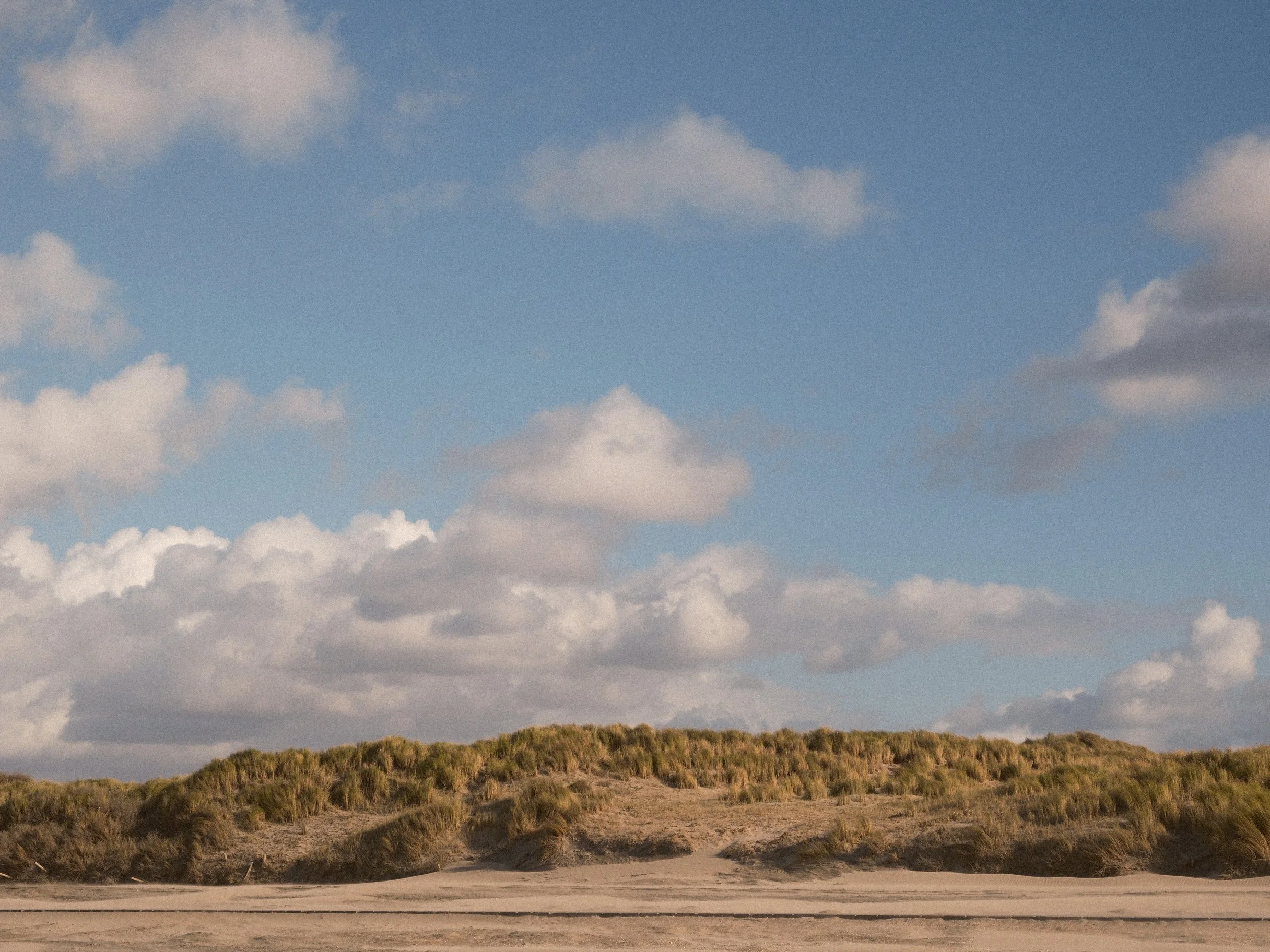
Same place, different realities
Following that same train of thought (nice little walk through my Roman Empire), neuroscience tells us something both magical and slightly unsettling. There’s no objective world playing in front of us like a movie screen. Our brains build reality on the fly, filtering light through memory, emotion, expectations, culture, past experiences: all the invisible stuff we carry around with us.
What we see is a negotiation between photons and our personal operating system. Same landscape. Different worlds.
This is also my way of showing you how I got here, why this topic became a blog post, and why it feels so closely connected to photography for me.
With 2026 around the corner, during these strange limbo days between Christmas and New Year’s, time feels nonexistent, and we all kind of float through space. It felt like a good moment to sit with this idea. Maybe also to take a little more compassion with us into the new year, towards others and towards ourselves.
Photographing my reality
I don’t photograph the reality. I photograph my reality. Because that’s the only one I have access to. It’s simply what my brain allows through.
Out in the landscape, there are moments where everything just clicks. Light lands in a way that feels right. The air feels heavy, or calm, or electric. Something shifts in my body before I even lift the camera. That feeling always comes first.
And yet, someone else can walk through the exact same place and feel absolutely nothing at all. Or maybe the other way around. They feel everything, and I’m just following their perception in the hope I understand. I find it endlessly fascinating how those different perceptions can exist side by side, without one being more “true” than the other.
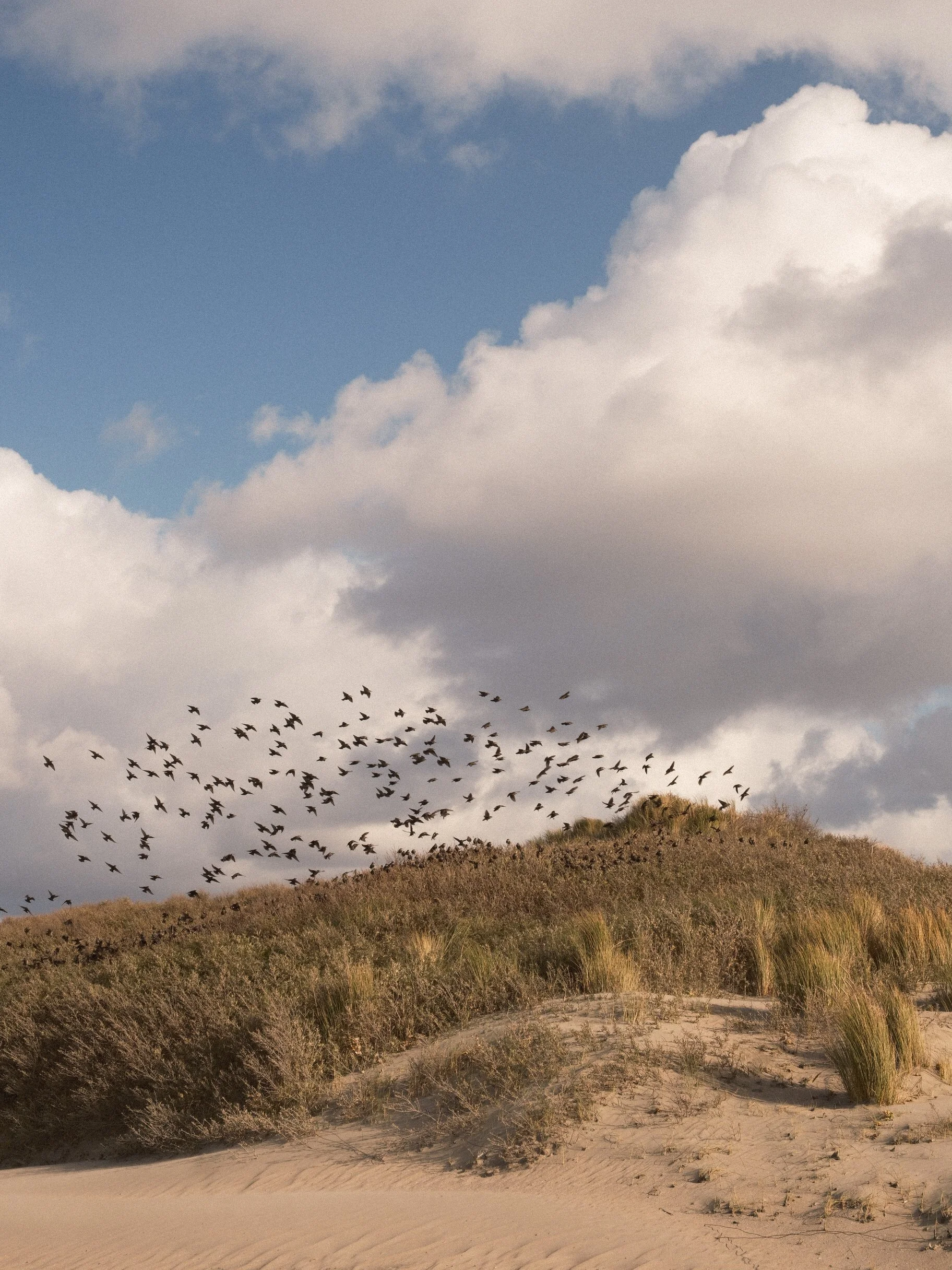
The brain as a prediction machine
Our eyes aren’t windows to the world, but more like precision optical sensors feeding guesses into the brain. According to neuroscience (especially predictive processing) the brain doesn’t wait for reality to arrive. It anticipates it, predicts what it expects to see, and then adjusts.
So we don’t see the world as it is. We see it as our brain predicts it to be.
In a way, our brain is a constant forecasting system. Adaptive, efficient, and slightly delusional (honestly, a pretty accurate personality description).
The camera records light. A photograph freezes photons. But meaning is something else entirely. Meaning gets constructed later, by every viewer, using their own memories, emotions, expectations, and inner weather.
So when you look at one of my photographs, you’re not really seeing what I saw. You’re also seeing yourself in it.
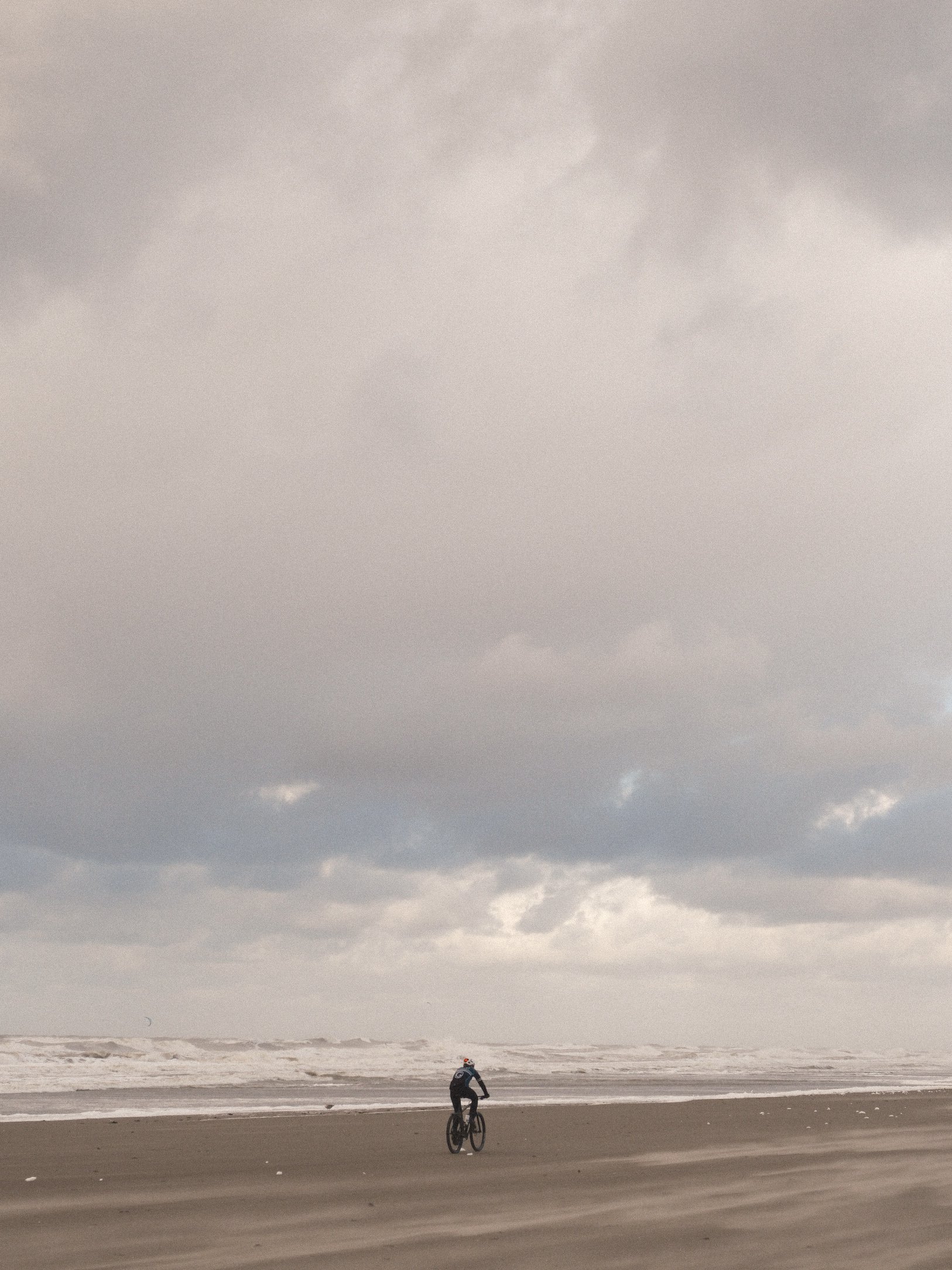
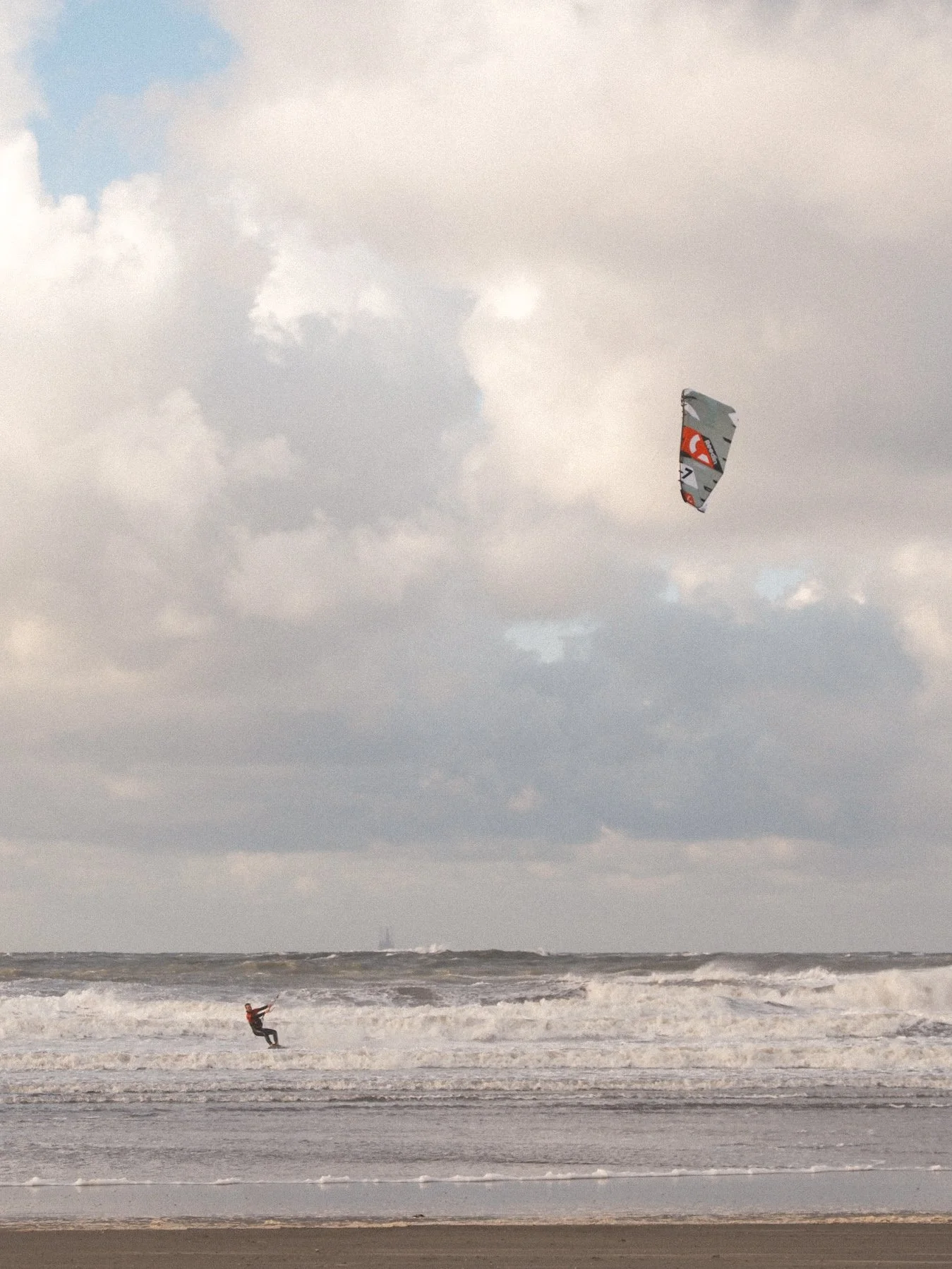
Photography as translation
That’s where photography becomes even more interesting to me.
I’m not trying to show “what was there,” although some images do quietly say I was here.
What I’m really trying to do is translate what mattered to my nervous system in that moment.
Why this light and not another?
Why this silence?
Why this framing that just feels right?
Those choices aren’t logical. They’re embodied. Felt first, understood later. The experience stays subjective. I can share what it felt like for me to perceive something, but it can never be fully shared. And that’s okay, I guess. Sometimes beautiful. Sometimes a little frustrating.
The rare alignment
And then, sometimes, something special happens.
Someone looks at a photograph and tells me what they perceive, and I think: Yesss! Exactly that! That’s what I felt too! You can feel it in the way they respond; a kind of shared calm, or excitement, or recognition.
It feels like synchronization. Two different operating systems aligning on a similar interpretation of reality. From a human perspective, I find that so deeply moving. How uniquely wired brains can still meet in that way, even if just for a moment.
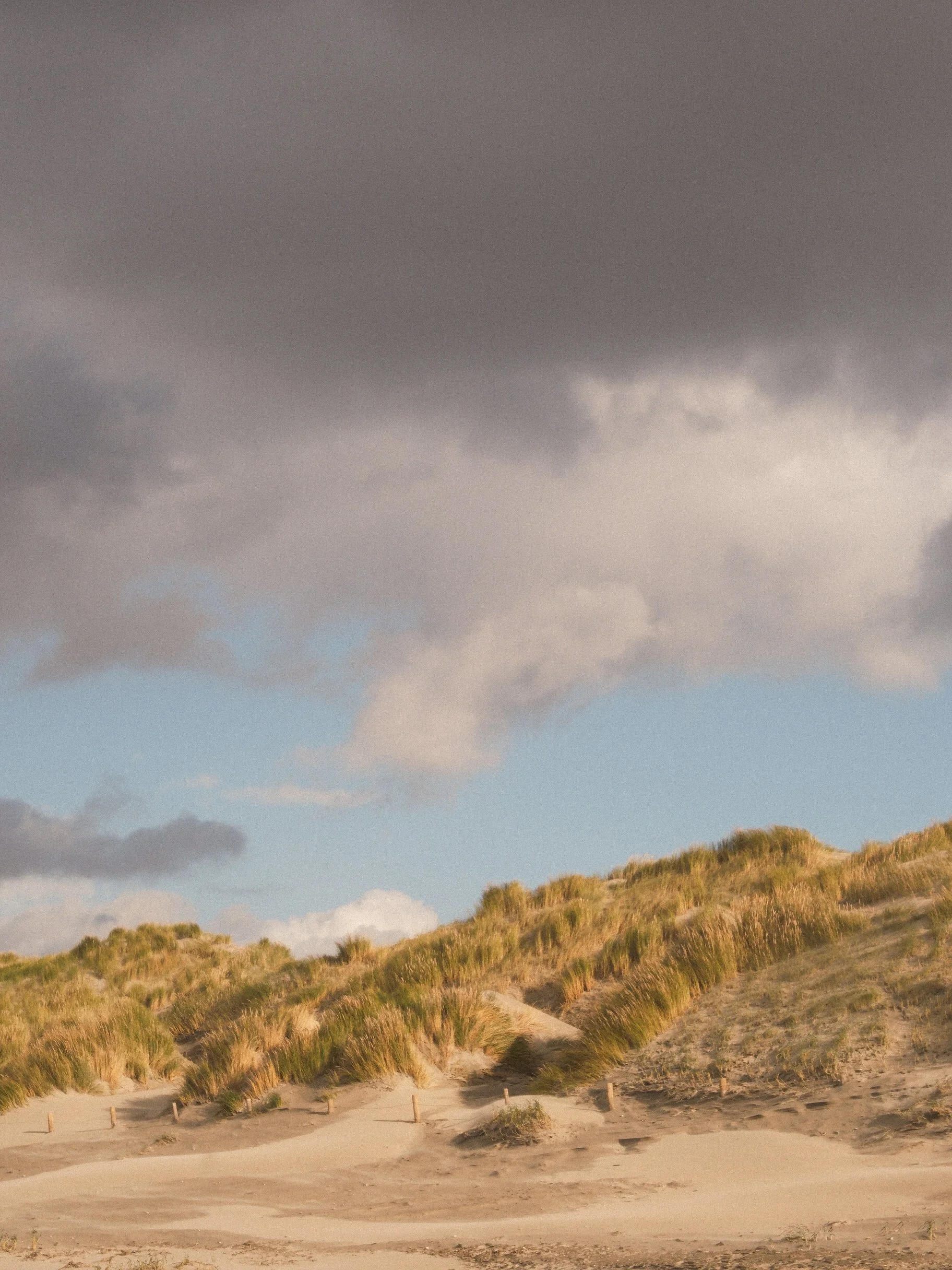
Beauty isn’t universal, which is kinda the point
A photograph doesn’t succeed because we all agree on it. It succeeds because someone, somewhere, feels seen through it.
Beauty isn’t objective. It’s negotiated between the image and the observer, between light and memory.
And yes, I still fall into the trap of hoping people like what I photograph, or understand what I felt when I took it, even though I know that won’t always be the case. Putting that little voice aside is an ongoing practice.
Photography, for me, isn’t about convincing anyone. It’s about offering a glimpse into how the world passes through me, while staying curious about how it passes through others.
And a reminder how an image is incomplete until another brain finishes it. (A very comforting thought when editing starts to feel endless.)
Moving into 2026
So even though this is part of my stories behind the photographs, it’s also a quiet question I want to leave you with:
What did your mind bring into it?
Maybe that’s a nice thing to carry into the new year. A bit more curiosity and compassion, a bit less certainty, and a bit more space for the fact that we all move through slightly different worlds, even when we stand in the same place.
And sometimes, when those worlds overlap, it feels pretty freaking special 🙂