
The art of noticing
An analog and digital love story.
There’s a quiet village in France, where time moves a little slower. Not much traffic to speak of, stone walls that still carry the scars of WWI, and our family farmhouse that’s become one of my favourite places to do absolutely nothing and everything at the same time. Daily trips to the local bakery, writing, long dinners as the sun sets, mountain biking, road trips through the region, and countless strolls through the fields with cameras in hand. It’s the kind of place that makes you want to pay attention.
I recently did two similar walks around the village, a few days apart. Same paths, same trees, even the same sheep and cows in the field. But on one walk, I had my Fujifilm X-T5. On the other, the Minolta XG-1. My dad’s old film camera, nearly 50 years old, rescued from under a layer of dust in the basement and now one of my most prized possessions (that I, admittedly, use waaaay too little).
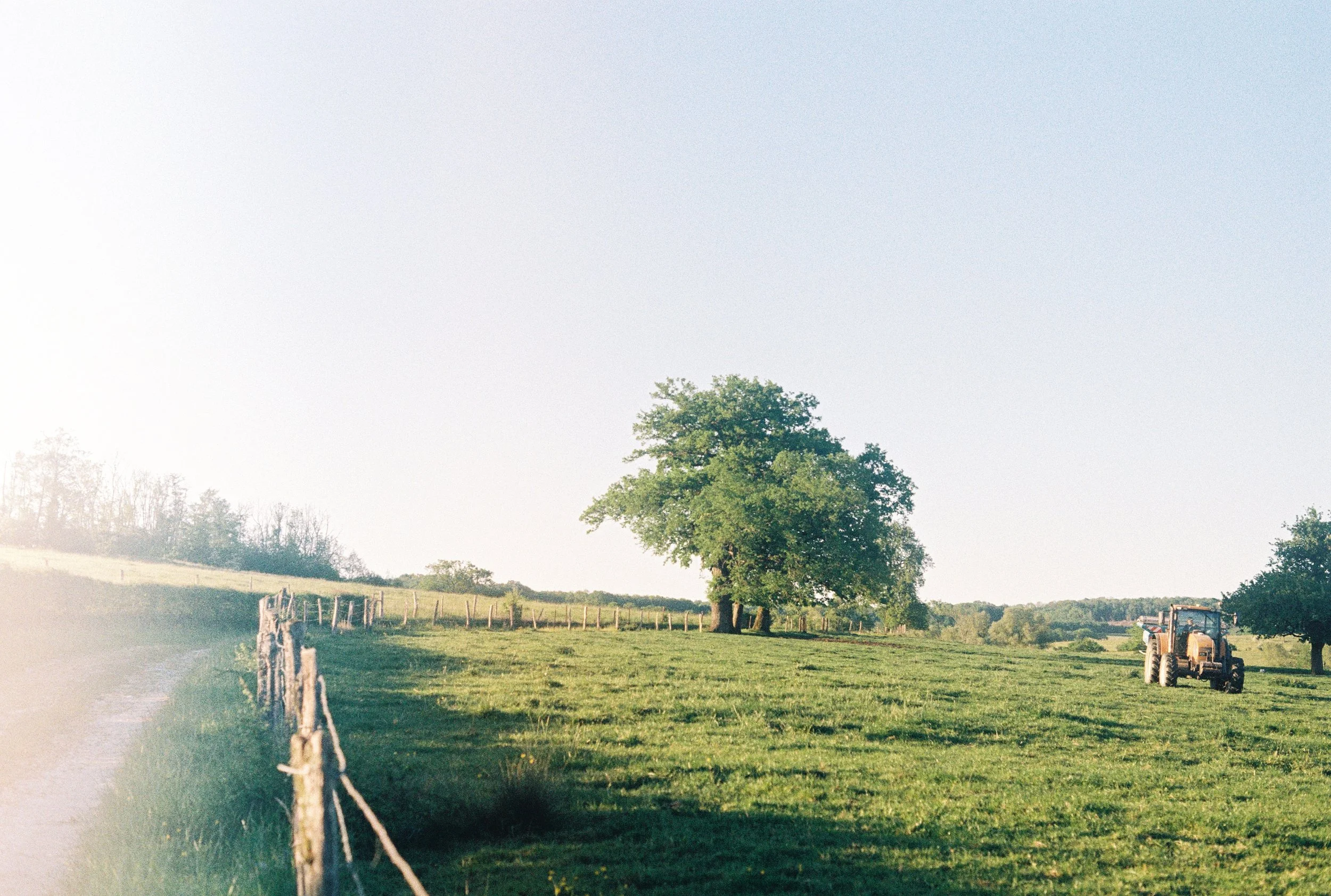
Shooting with the X-T5, there’s a fluency to it. I know the camera well enough that it feels like a natural flow. I experiment and shoot a lot. I fire off a frame, check it, adjust, and move on. The feedback loop is quick and almost conversational. The camera tells me something, and I respond. It’s very intuitive and a lot of fun.
But there’s also a certain looseness. A bad frame? Ok, let me just take a few more shots. No biggie.
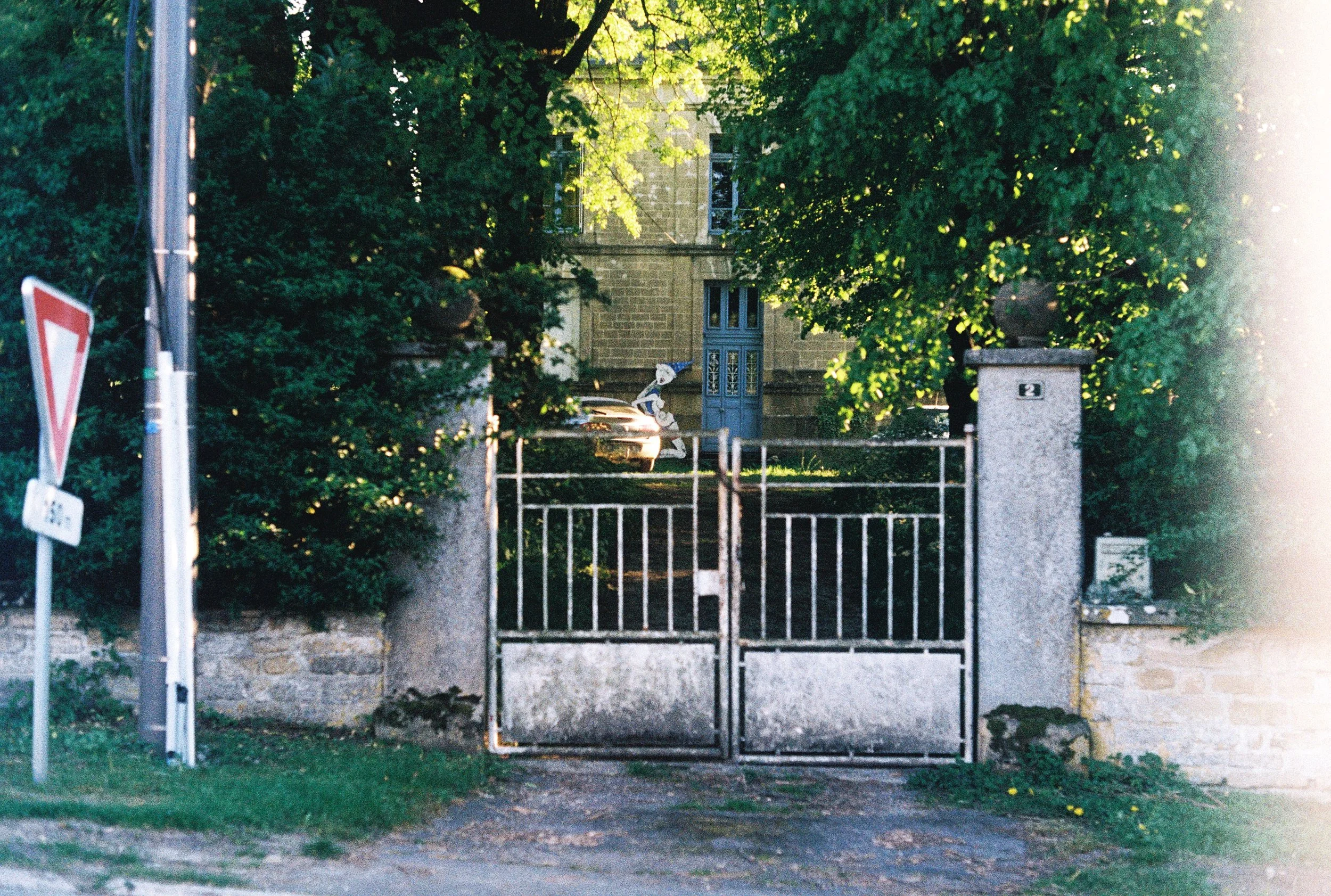
With the Minolta, and any analog camera for that matter, everything slows down. Each frame feels like a small commitment. You’ve got about 36 chances on a roll and that’s it. I find myself standing still for longer, searching even more before I raise the camera. And just before I press the shutter, there’s this quiet internal thought: here goes nothing.
And then you just move on. No reviewing, no tiny dopamine hit of seeing it worked. The photo is gone the moment you take it. Sealed away on the roll until the negatives come back. There’s always something strange about that. You just have to trust it.


What reminded me is that the noticing, the fundamental act of seeing something worth photographing, capturing that moment, is presented in both analog and digital. It just arrives differently.
A friend and fellow photographer, who shoots exclusively analog and has such impressive work, once picked up my X-T5 for a few seconds before handing it back with a laugh. It was just so different. The absence of that small resistance that film gives, the way digital just lets you.
A little later, I was talking to another photographer whose analog work is equally inspiring, and we got into the process, the way you do when you’re both a bit obsessed with the same thing. He mentioned how with analog he photographs less, but with a different eye. And part of what makes it fun is the waiting for the negatives to come back and for the moment to reveal itself again. It made me think how funny it is that you can have an entirely different approach for analog versus digital, even when you’re standing in the same spot taking the same picture.
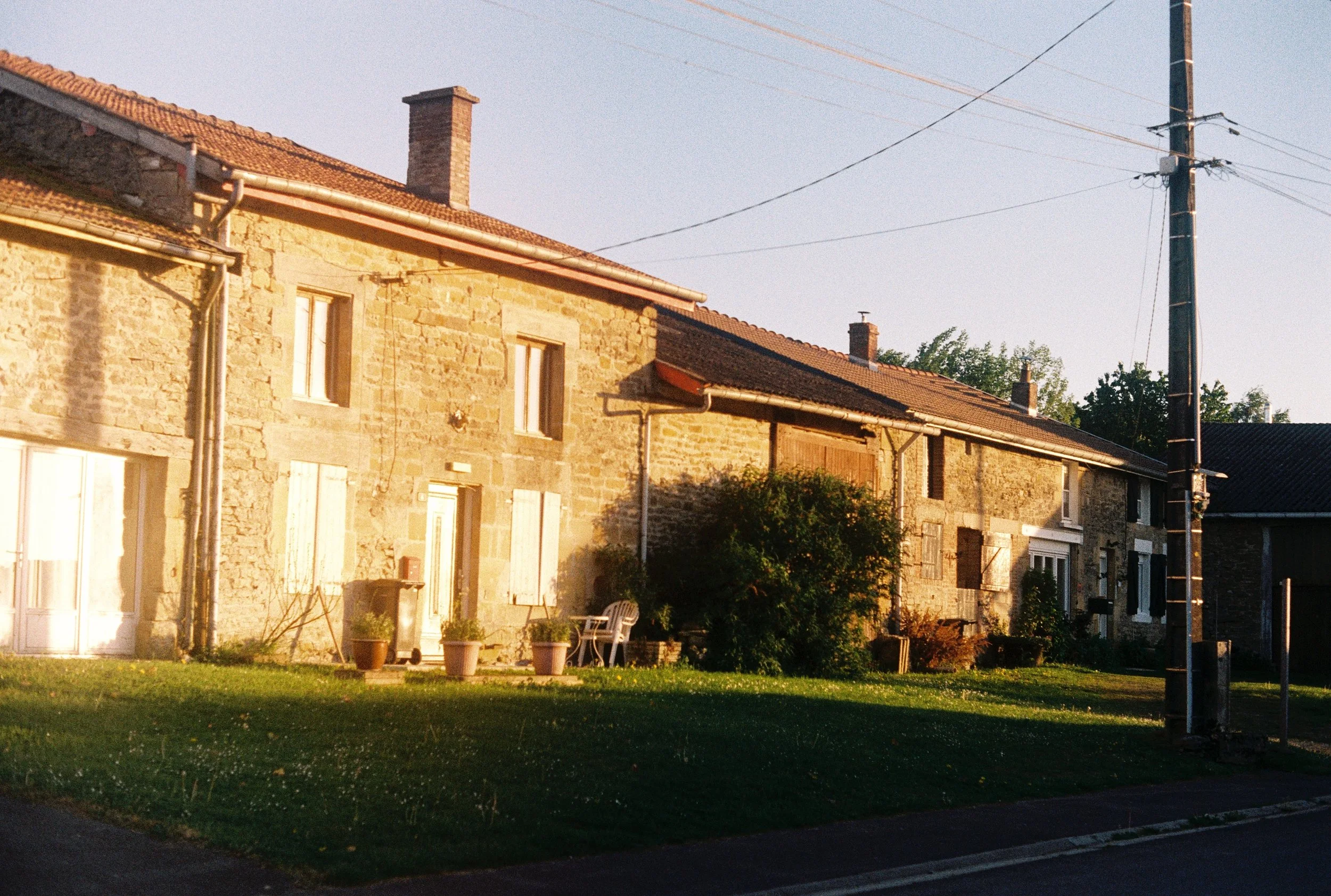
Anyway. As someone who loves both forms of making, it’s wonderful to see that in neither case is the art of noticing purely about the camera. It’s a practice that lives in you, not in your gear. But different tools draw it out in different ways. Shooting with the X-T5 is a flow. Dialing settings on the fly and that quick back-and-forth between you and the camera. Shooting with the Minolta is a flow too, just slower. Less about reacting to the scene and more about trusting yourself that what you saw was worth it, before you even know for sure.

In the end, I just love using both. Each in their own ways and for their own reasons. Though the Minolta does deserve more time out of the bag. The picturesque outdoor life is the perfect excuse.